They design a wide range of menus that cater to different flight durations, cabin classes (economy, business, first), and specific passenger needs like special dietary requests, allergies, or religious observances.
Meal preparation
They prepare a high volume of meals in advance, often using processes like cook-blast chill to maintain freshness, according to airline specifications and passenger preferences.
Logistics and delivery
We handle the transportation of prepared meals to the aircraft onboard, ensuring they are delivered on time, in the correct condition, and with the necessary accessories like cutlery and napkins.
Quality and hygiene
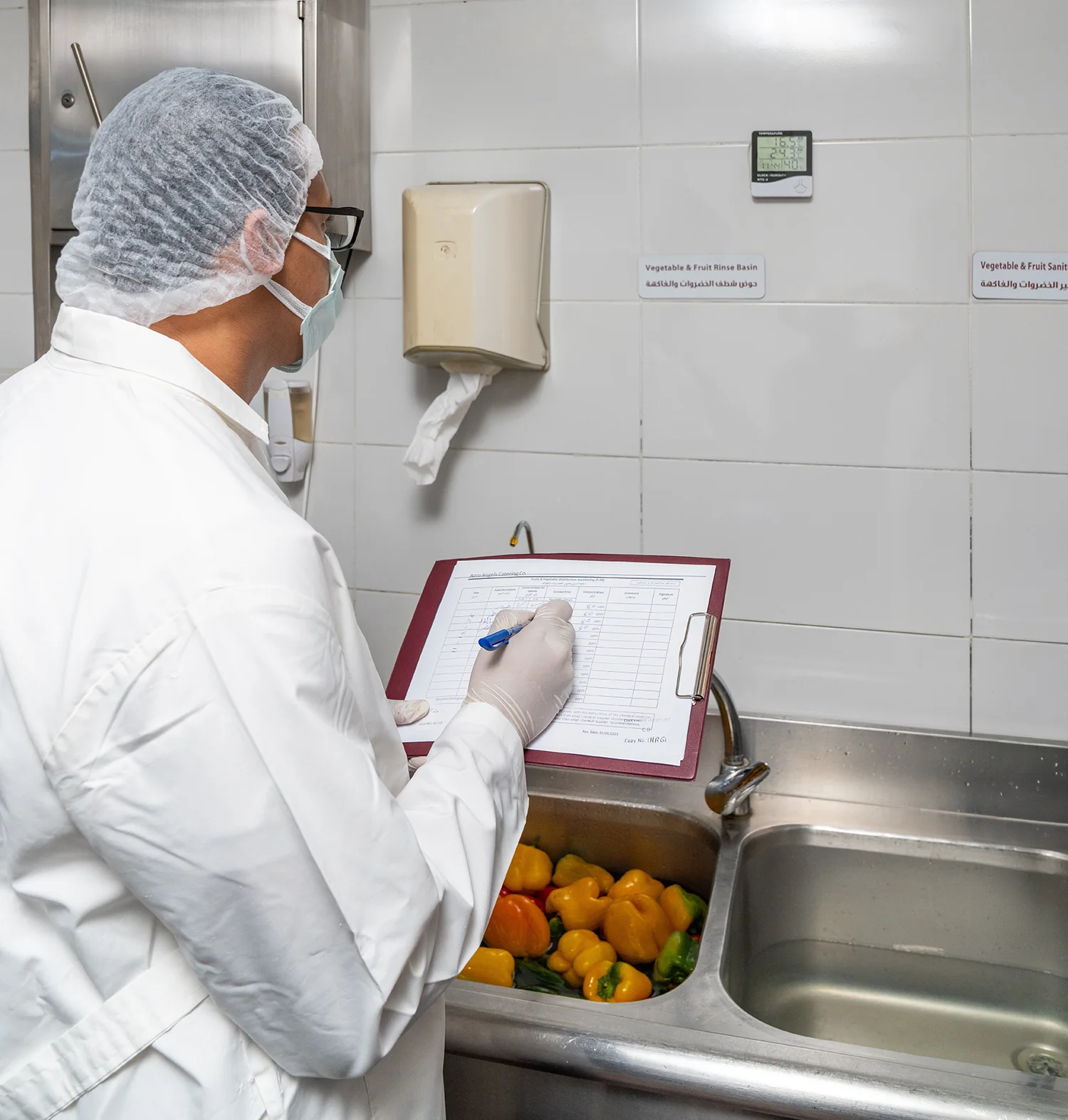
A major focus is on strict hygiene and food safety standards, such as HACCP and ISO systems, to ensure food remains safe to eat after being prepared and stored for a period before consumption.
Customization
They must manage "mass customization," producing a large volume of varied products to meet specific airline and passenger requests, from premium dining to special meals.
Sustainability
The industry is increasingly focused on eco-friendly packaging, waste reduction, and efficient resource management.
Technology
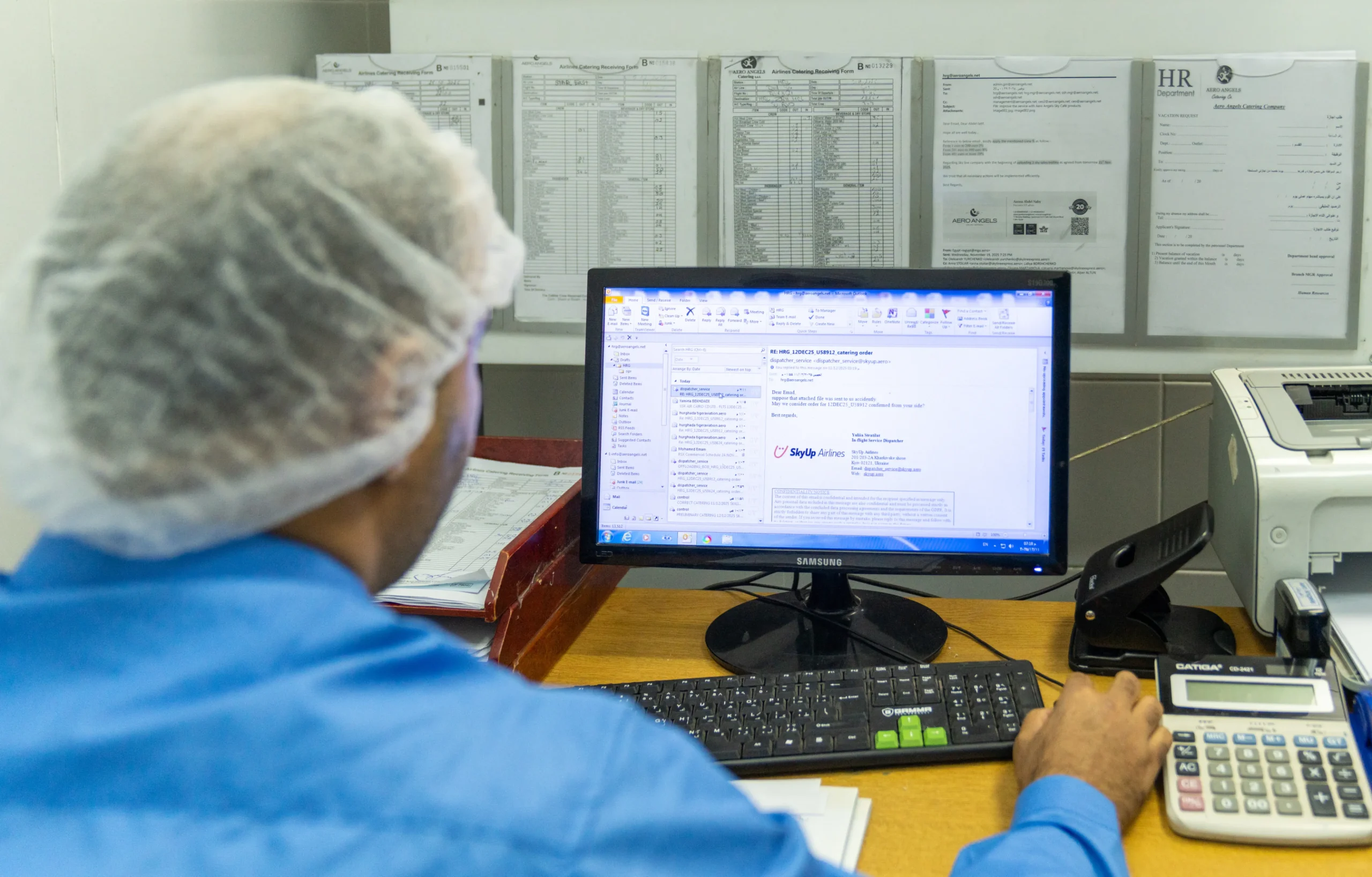
New technologies are being adopted for streamlined logistics, digital ordering, and AI-powered menu planning.
Passenger experience
There is a growing demand for healthier, more diverse, and higher-quality food options, including regional and plant-based meals.